
Our mission
We use technology to reduce the cost of air travel.

Our mission
Heart Aerospace is building the aerospace company for the electric era of aviation, with a clear mission: to lower the cost of air travel.
Through technology, we are developing a new generation of passenger aircraft with fundamentally better operating economics, designed to reshape the cost structure of commercial aviation.
In doing so, we are advancing our vision of abundant air travel: more affordable, frequent, and cleaner flights to more destinations, operated from airports close to where people live and work.
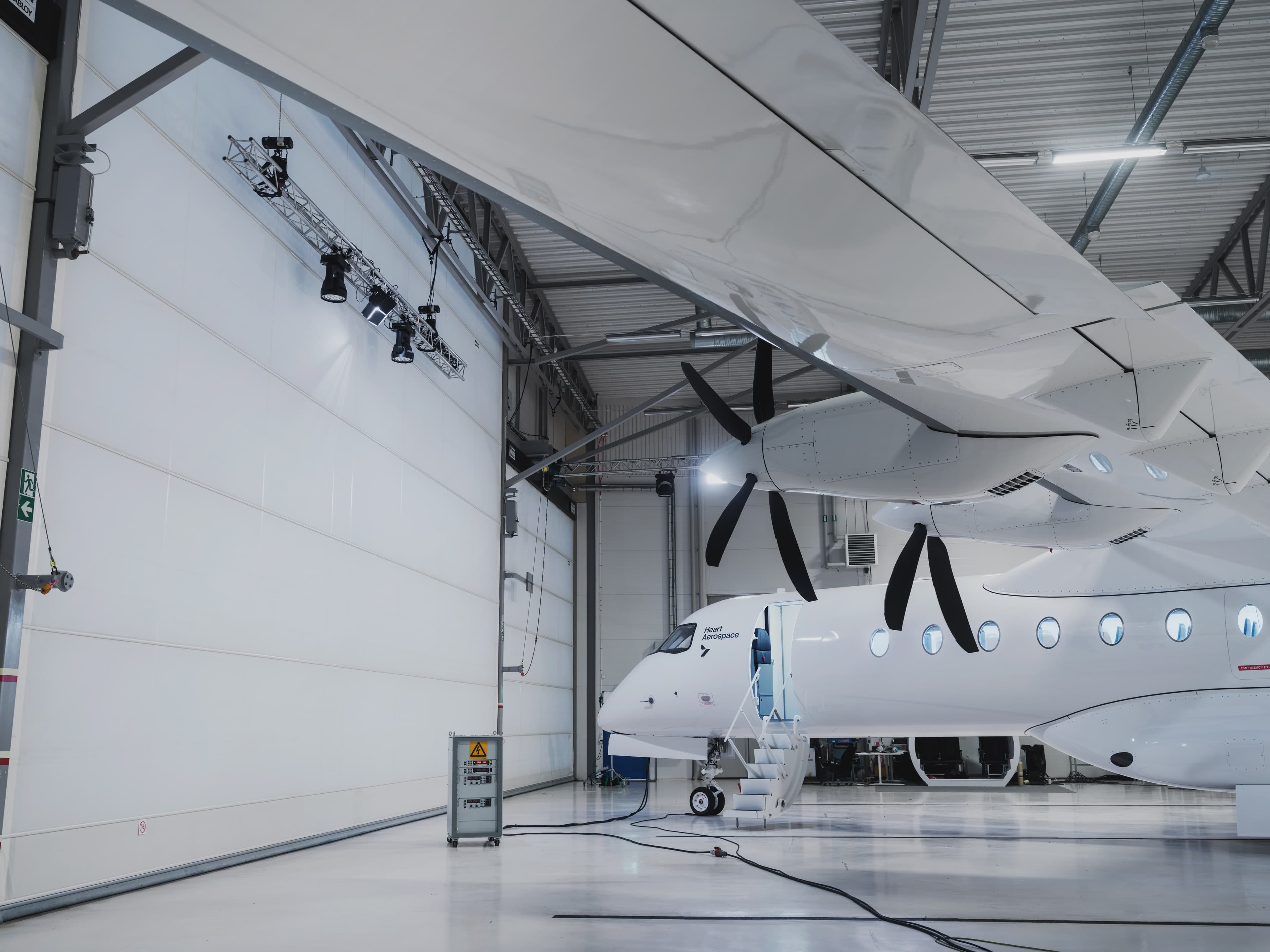
Three technology levers drive lower aircraft operating costs.
Electrification
Electric propulsion and electrified aircraft systems reduce operating cost through cheaper energy and reduced maintenance.
Software & autonomy
Software-defined aircraft are more reliable, faster and easier to maintain, continuously optimized, and autonomy-ready.
Modern manufacturing
A modern manufacturing approach reduces unit cost through a next-gen production system built for scale.
Aviation needs a new cost structure.
"Heart expects the ES-30 to be some 40% cheaper to operate than existing regional jets."
The Economist
“Unfortunately, I think there will be some carriers that will find this high fuel price very difficult to cope with," Walsh told Reuters at IATA's annual summit in Rio de Janeiro, adding he expects some airlines to go out of business and others to be acquired by larger carriers."
Reuters
"The declines are due to a mixture of factors, including reduced passenger demand during the pandemic, a pilot shortage, and increased costs for fuel, labor and maintenance."
National Public Radio
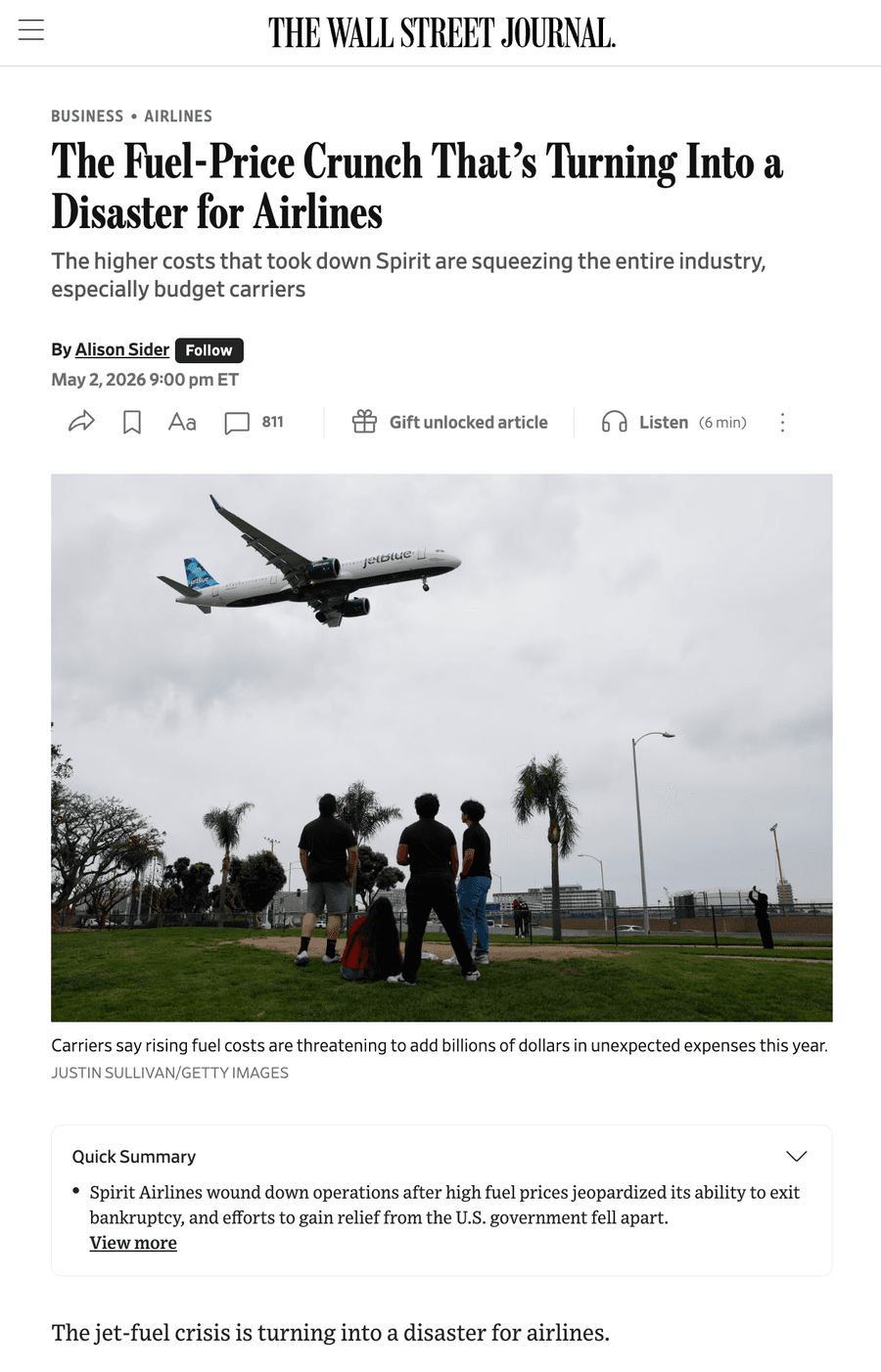
“The carrier is analyzing each route — even each departure — looking for flights that won’t cover their costs at higher fuel prices.”
The Wall Street Journal
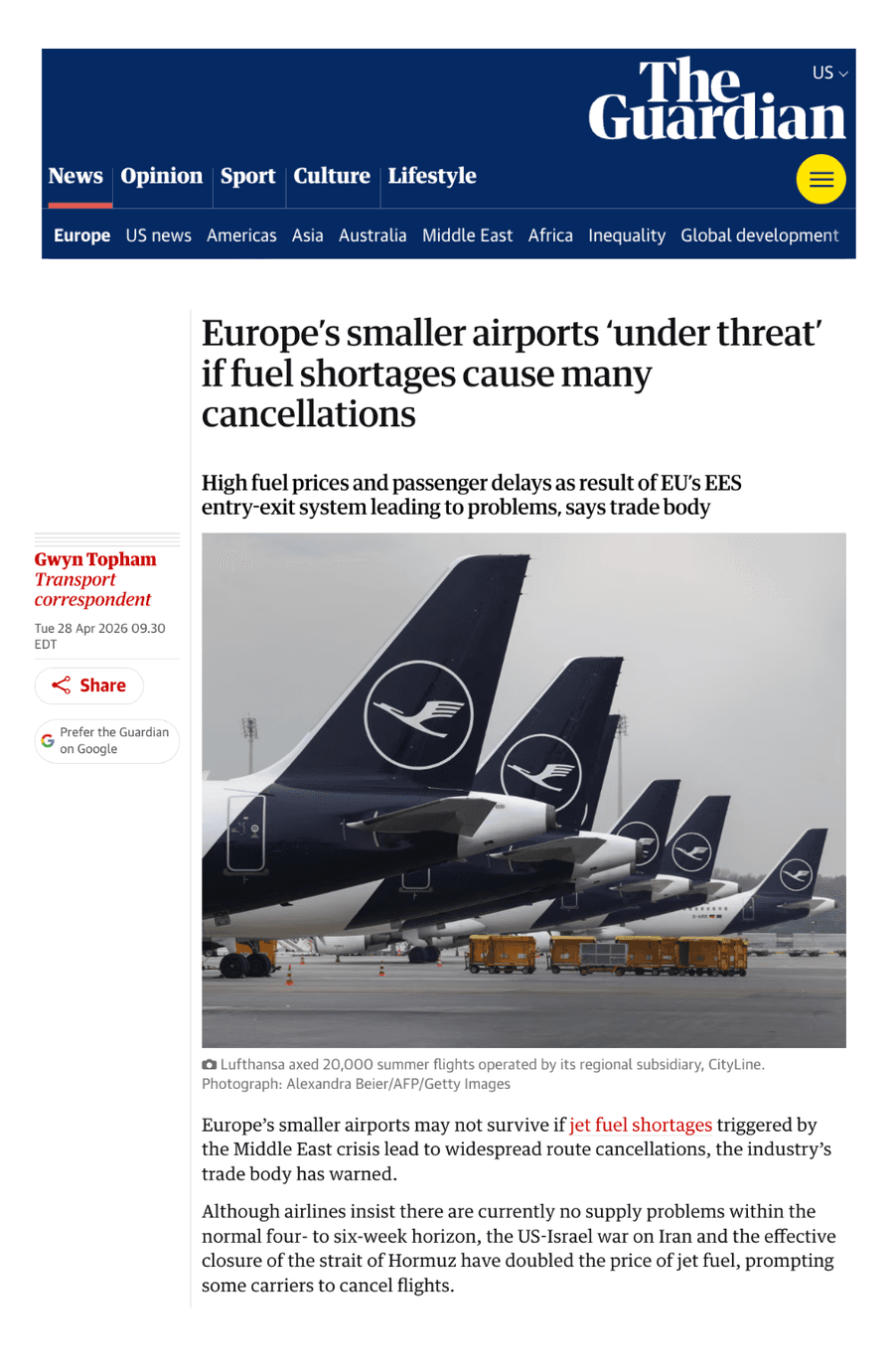
“The current levels of jet fuel prices and the prospect of a new cost of living crisis mean that many regional airports across our continent are likely to face both a supply and demand shock. For them, this is nothing short of an existential threat.”
The Guardian

"Airlines bidding for EAS contracts usually have to plan to operate at least two daily flights to the subsidized community on 30- or 50-seat aircraft. In 2025, the DOT spent nearly $690 million on EAS grants."
USA Today
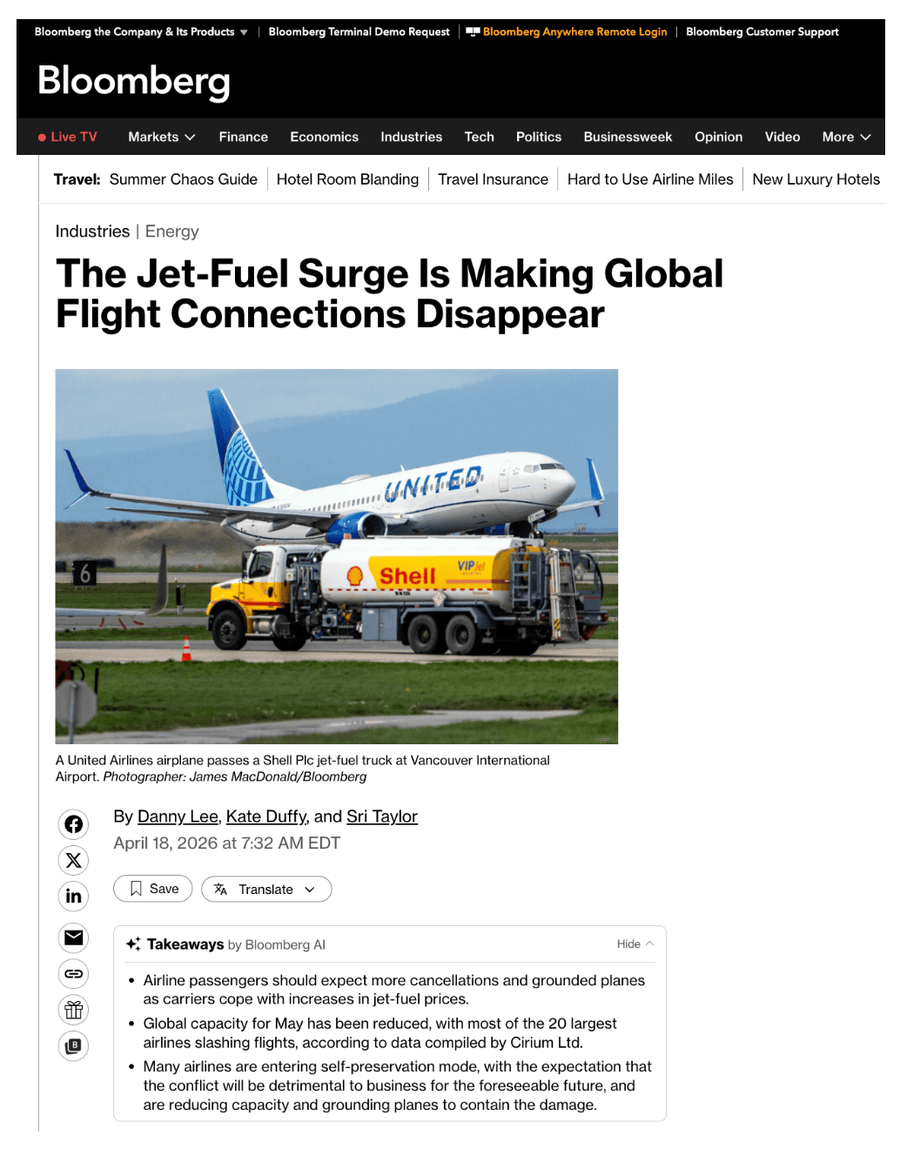
“'Any flying that we’re doing that’s on the margin, maybe not producing the yields we’d like, is likely going to be reconsidered,' Delta Air Lines Inc. Chief Executive Officer Ed Bastian said."
Bloomberg
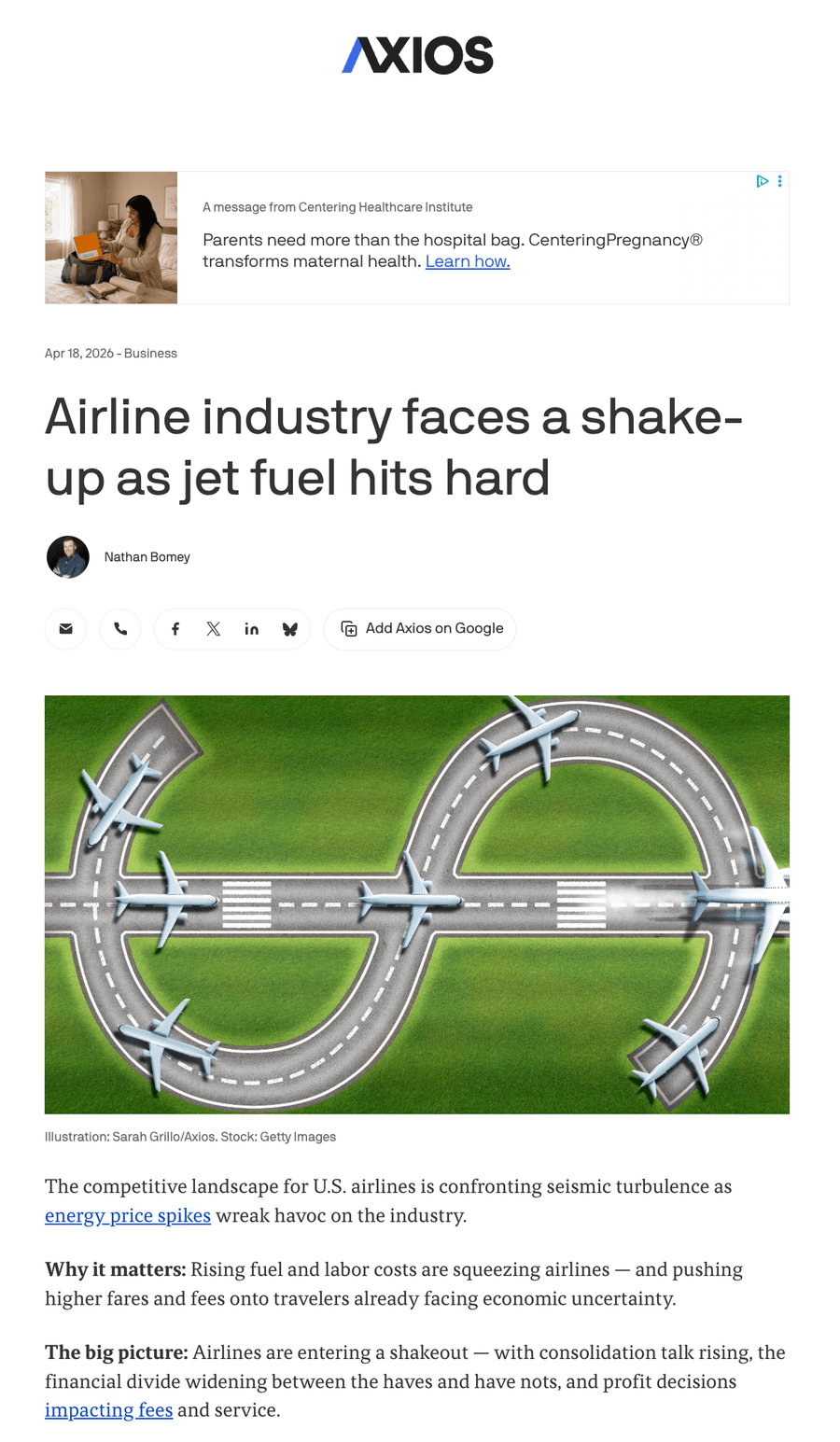
"Rising fuel and labor costs are squeezing airlines — and pushing higher fares and fees onto travelers already facing economic uncertainty."
Axios
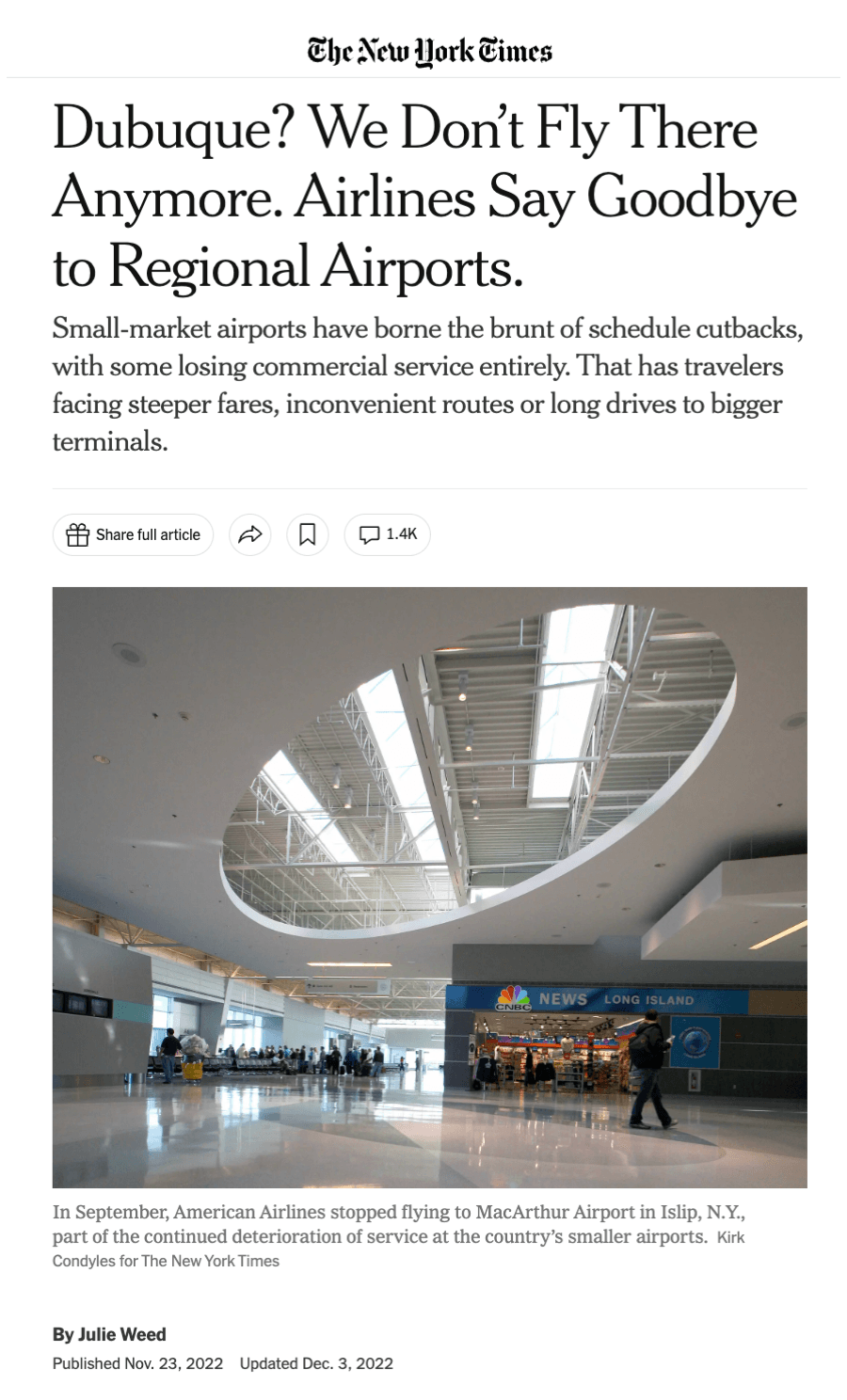
"A 500-mile flight in a regional jet that holds an average of 76 passengers uses about 30 percent more fuel per passenger than the typical mainline jet."
The New York Times

"The 50-seat jets that airlines have relied on to serve small cities are being phased out as they get older, replaced by jets with 70 or more seats, which are more cost efficient but exceed passenger demand in some markets.."
The Wall Street Journal
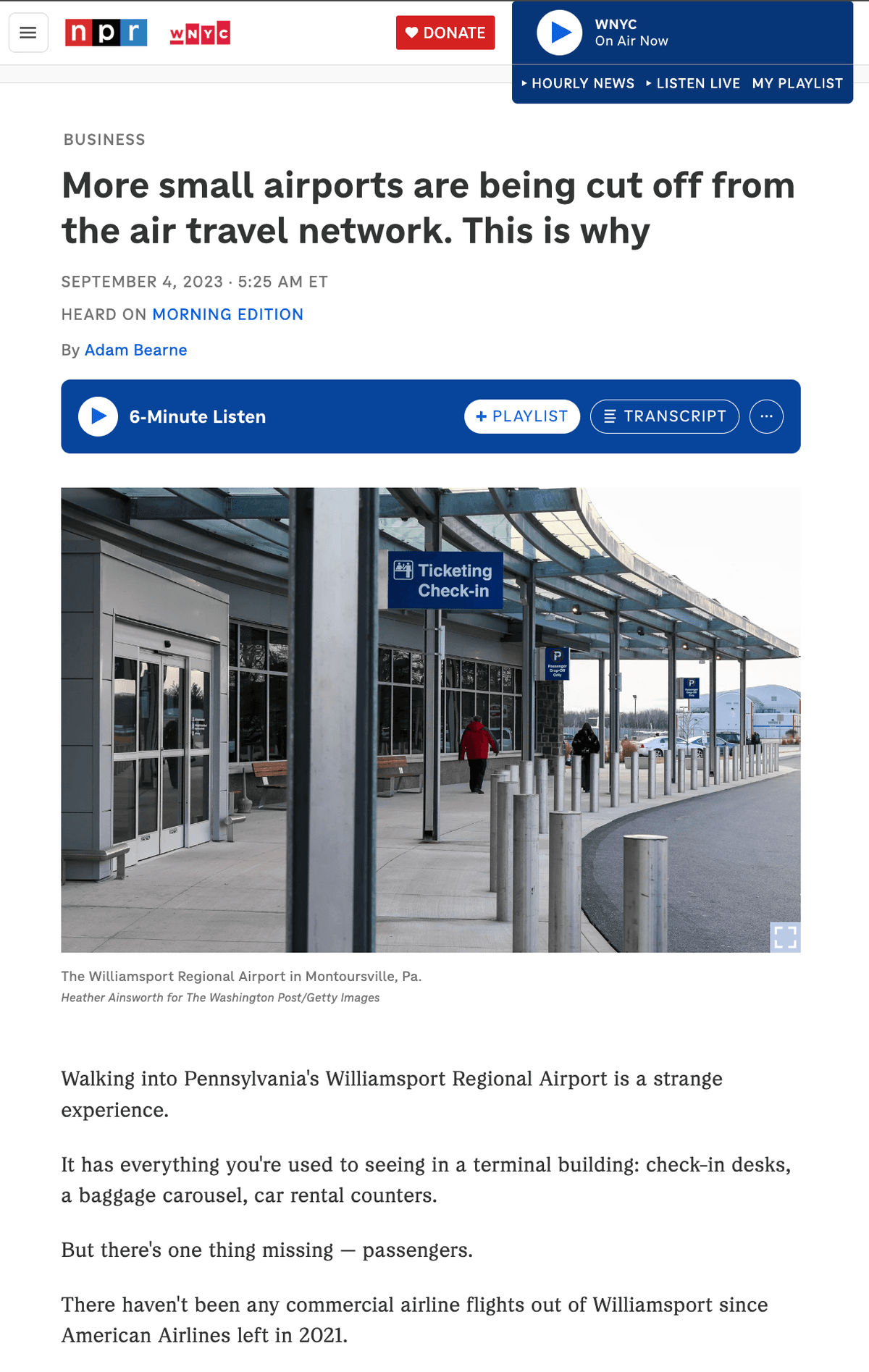
"The 50-seat jet today is just not economic as it was 10 years ago. Labor costs going up. Fuel costs going up. Maintenance costs going up. And it's hard for that airplane at that seat size to be profitable."
National Public Radio
Electric aviation starts with regional travel.
High-demand regional missions are the natural entry point for electric flight, where available technology and compelling airline economics intersect.
Untapped infrastructure
90% of the U.S. population lives within 30 minutes of a regional airport, yet only ~500 of ~5,000 public-use airports have scheduled airline service.
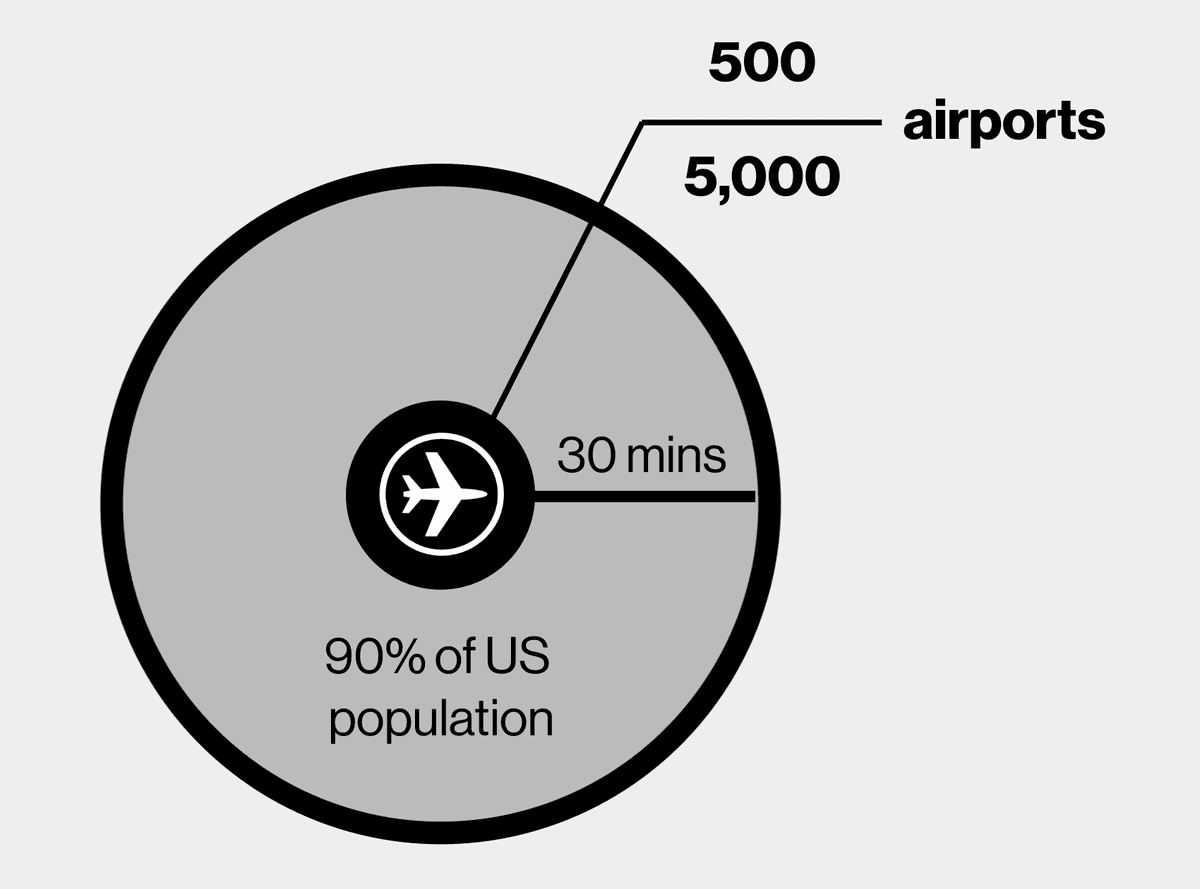
Regional airports already place most Americans within reach of air service, providing broad access.
Unserved travelers
Airlines capture just 1.6% of trips between 50 and 500 miles today, leaving substantial short-haul demand outside of the air travel system.
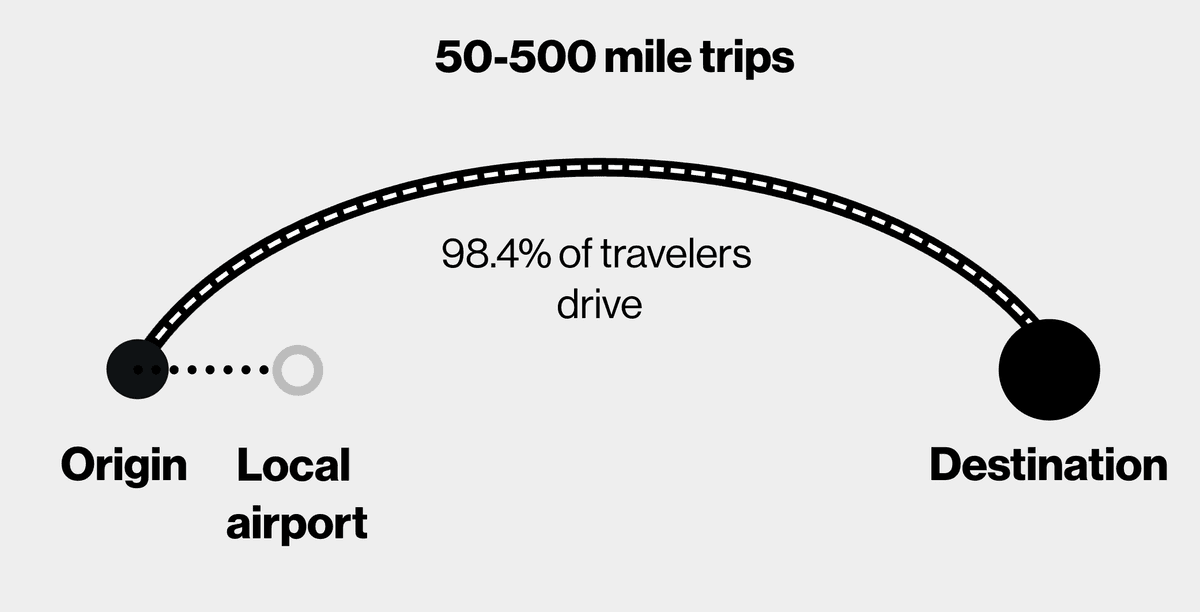
Millions of short-haul passengers drive very long distances, reflecting demand today's airline networks fail to capture.
Undersupplied routes
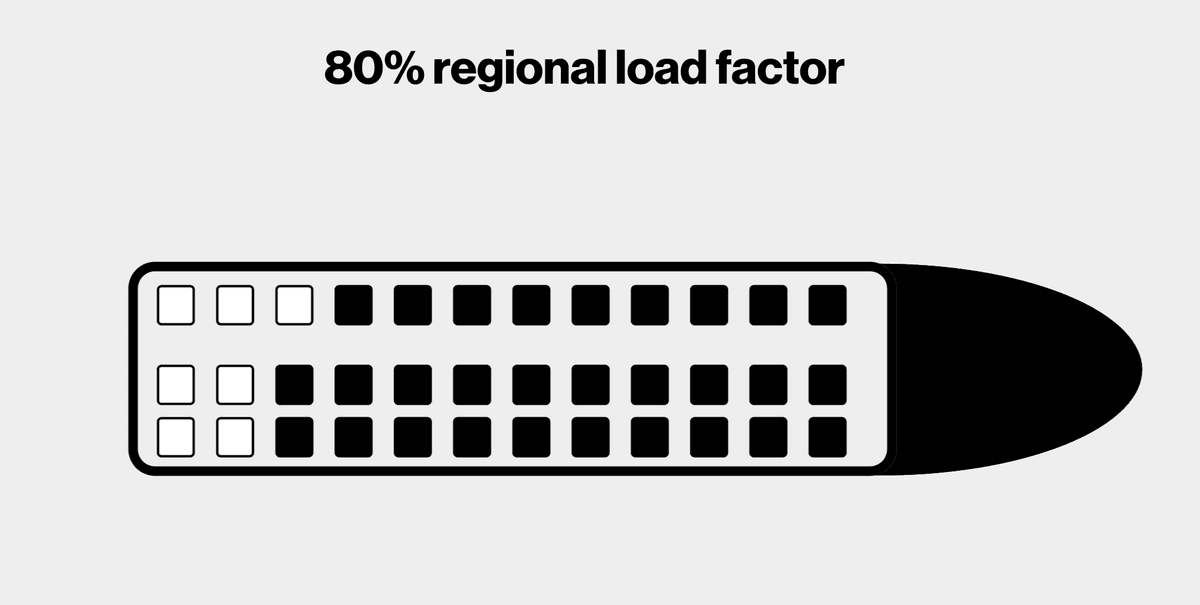
Regional flights operate at ~80% load factor, even as short-haul tickets command some of the highest fares per mile in U.S. commercial aviation.
Regional Airline Association, "Annual Report" (2025). (opens in new tab) U.S. DOT, "AAM National Strategy" (2025). (opens in new tab)
Where regional flights do operate, high load factors and pricey fares show demand exceeds available supply.
Aviation's CO₂ emissions are on track to triple by 2050*
Air travel is remarkable, allowing us to comfortably get anywhere on the planet in less than a day. But as air travel has grown over the past decades, so have its emissions.
Globally, air travel is still only in its infancy. Only 20 percent of the world's population has ever flown on an airplane, meaning there are over 6 billion people worldwide that have never been airborne. As they start to connect to this amazing infrastructure, the emissions will increase exponentially.
As jurisdictions worldwide expand carbon pricing and emissions mandates, those emissions are becoming a growing direct cost for airlines.
* Making Net-Zero Aviation possible · MPP 2022 (opens in new tab)